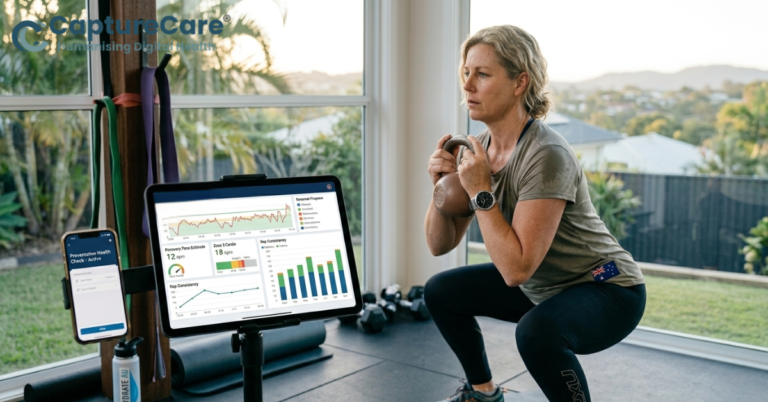

Why Midlife Is the Most Critical (and Most Neglected) Window for Women’s Health
Midlife is often when women are busiest, and their own health starts to fall down the list. Between work, family, and other responsibilities, it is easy to miss the gradual changes happening in the body.
Yet these years matter most. Research shows that the burden of disease in women peaks between ages 35 and 65. This is when heart health risks rise, bone density starts to drop, metabolism shifts, and cognitive changes may begin. Even so, many women step back from regular health check-ins during this stage of life.
This is not about neglect or lack of care. It reflects a health system that has not fully adapted to the needs of midlife women, along with daily lives that leave little space for preventative care.
That is why midlife is one of the most important times for proactive health monitoring.
What Is Actually Happening in Your Body During Midlife
Midlife brings a series of changes that often build slowly over time. Around perimenopause and menopause, shifting hormone levels can affect much more than periods or fertility. They can influence heart health, bone strength, metabolism, mood, sleep, and daily energy levels.
Some of the main changes include:
- Hormone shifts: Perimenopause can begin as early as the mid-30s, and the transition to menopause can last for years. As oestrogen levels fluctuate and decline, the effects can show up across many systems in the body.
- Higher cardiovascular risk: Oestrogen supports heart health. As it falls, blood pressure, cholesterol, and inflammation markers can begin to change, increasing long-term cardiovascular risk.
- Faster bone density loss: Bone loss often speeds up during the years around menopause. Because osteoporosis develops quietly, many women do not realise there is a problem until a fracture or scan reveals it.
- Metabolic changes: Midlife can affect insulin sensitivity, fat distribution, and the way the body uses energy. Over time, this can increase the risk of type 2 diabetes and other metabolic concerns.
- Changes that are easy to dismiss: Many of these shifts happen gradually. They are often brushed off as stress, ageing, poor sleep, or a busy lifestyle, even when the body is clearly moving through a deeper transition.
These changes may be common, but they should not be brushed aside. The earlier they are recognised, the easier they are to track, understand, and manage with the right support. This is why midlife matters so much. It is a key window for noticing what is changing before those patterns become bigger health issues later on.
Why This Window Is So Often Missed
Midlife is one of the most important stages in a woman’s health journey, yet it is often overlooked. Many women notice changes during this time, but those changes are not always recognised early or treated with the attention they deserve.
1. The Symptoms Can Be Hard To Recognise
Many common midlife symptoms do not seem serious at first. Fatigue, brain fog, poor sleep, mood shifts, and weight changes can easily be blamed on stress, ageing, or a busy schedule. Because they seem familiar, they are often brushed aside instead of seen as part of a broader health transition.
2. The Changes Often Build Slowly
Midlife health changes usually happen over time, not all at once. A woman may notice small shifts in energy, sleep, mood, or body composition over several months or years. Because the changes are gradual, it can be harder to see the pattern until they begin to affect everyday life more clearly.
3. Women Often Put Their Own Health Last
This stage of life is often full of competing demands. Many women are balancing work, family, and caring responsibilities, which leaves little time to focus on preventative care. When symptoms feel manageable, it can seem easier to keep going than to stop and investigate what is changing.
4. Healthcare Does Not Always Connect The Dots
Short appointments and one-off test results do not always show the full picture. A woman may have several small changes happening at the same time, but if each one is viewed separately, the wider pattern can be missed. This can leave women feeling unheard, even when they know something is not quite right.
5. The System Has Not Fully Caught Up
Midlife women’s health has not always received the attention it needs in research or care models. That gap still shapes how symptoms are understood and how support is delivered today. This is not a personal failure. It is a system issue, and understanding that can help women seek more informed and proactive care.
What Monitoring and Awareness Can Do
The most powerful thing about preventative health monitoring is what it reveals before symptoms become crises.
When cardiovascular markers, sleep quality, blood pressure trends, and other biometric data are tracked consistently over time, patterns emerge. A gradual rise in resting heart rate, subtle shifts in blood pressure, or changes in sleep architecture can all signal that something in the body is changing, well before a clinical threshold is crossed.
This is precisely what the nurse-led PRPM Programme was designed to address. Rather than waiting for a problem to become visible, we track the metrics that matter most for midlife women, providing continuity of monitoring that a standard GP appointment simply cannot offer.
Withings smart health devices support this approach by enabling ongoing, at-home data collection. Wearable and connected health devices can capture longitudinal trends in heart rate, blood pressure, and sleep, feeding into a clinical picture that is richer and more accurate than a single snapshot in a consulting room.
As Amelia Dickison, founder of CaptureCare, puts it:
“The women who benefit most from monitoring are not the ones who are sick. They are the ones who feel fine but want to make sure they stay that way. Midlife is exactly when that kind of proactive care pays off.”
If you have ever felt like something was shifting but could not put your finger on what or been told your results were normal when you knew something was not quite right, you can read more about that experience in our piece on why so many women feel fine but not well.
Practical Steps for Midlife Women Right Now
You do not need to wait for a diagnosis to start paying attention to your health. Here are some concrete starting points.
- Know your baseline numbers: Blood pressure, cholesterol, fasting glucose, and bone density are all worth understanding at a baseline in your 40s, so that changes over time are visible. Ask your GP specifically about these markers if they have not been discussed.
- Take your symptoms seriously: Brain fog, disrupted sleep, mood changes, and fatigue during perimenopause are not “just stress.” They are data. Document what you are experiencing and when, and bring that record to your healthcare appointments.
- Ask about cardiovascular screening: Women are significantly under-screened for cardiovascular risk. Request a heart health check if you are 45 or older, or earlier if you have a family history.
- Consider continuous monitoring: A single annual blood test provides a snapshot. Longitudinal data, tracked over months and years, provides something far more useful: a trend. This is where wearable health technology and nurse-led monitoring programmes can make a meaningful difference.
- Find a provider who understands midlife women’s health: Not all GPs have specialist experience in menopause or perimenopause care. Working with a provider who understands this stage of life can make it easier to get clear answers, informed guidance, and support that fits what you are actually experiencing.
And if you are navigating the workplace during this period, it is worth knowing that employer-supported wellness options are growing. We also offers corporate wellness partnerships for organisations that want to support the women in their teams through midlife health.
This Is Your Window
Midlife is not the beginning of decline. It is, however, a pivotal period where the choices you make, and the monitoring you put in place, shape the decades ahead.
The reason for focusing specifically on women between 40 and 65 is not arbitrary. It reflects the evidence: this is when the risks are building, when the symptoms are easy to dismiss, and when proactive care makes the greatest long-term difference.
If you are ready to understand what is actually happening in your body and to have a qualified nurse in your corner tracking the changes that matter, we would love to have you involved. Join the waitlist or enquire about our pilot programme. You deserve more than “your results are normal.” You deserve to know what “normal” means for you.

The Author
Amelia Dickison
On a mission to stop the stoppable and prevent the preventable when it comes to our health and happiness
🙌 Start Your Health Journey Today
Whether you’re 40, 60 or 80, stroke doesn’t discriminate — but knowledge gives you the upper hand. The Stroke Risk Test is available right now through CaptureCare, your partner in preventative health and wellness.
💡 Share your results with your GP and start your wellness plan today. Because when it comes to stroke, the best treatment is prevention.