The Hidden Load: Back Pain, Anxiety, and What Midlife Is Really Doing to Your Body
There’s a particular kind of tiredness that doesn’t come from not sleeping enough. It comes from carrying too much for too long, often without anyone noticing.
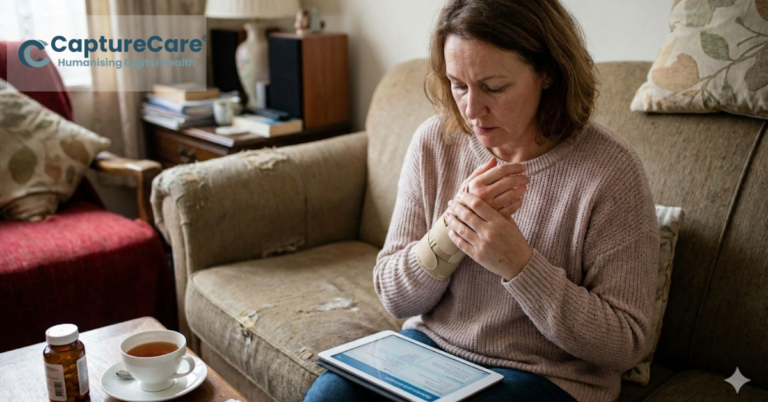
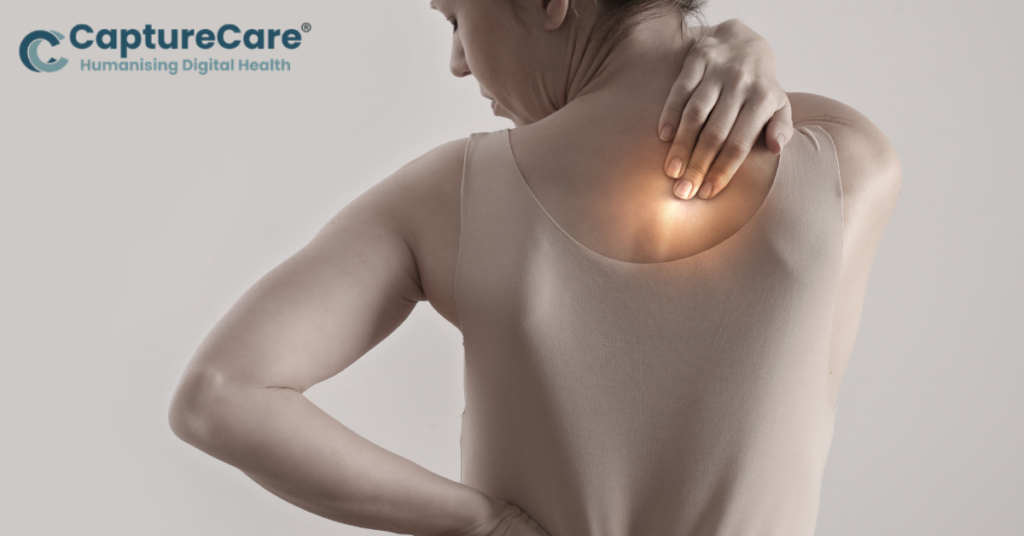
For many women in their forties and fifties, that weight is not metaphorical. It’s a dull ache that starts in the lower back after sitting at a desk. It’s the low-grade anxiety that makes it hard to settle in the evenings. It’s the sense that something is quietly wrong, not dramatically, not urgently, just persistently.
And here’s what the data tells us: you are not alone in feeling this way, and you are not imagining it.
The Numbers Behind the Experience
The scale of the problem is significant. According to the AIHW, around 4 million Australians (16% of the population) are living with back problems. Chronic pain affects 1 in 5 Australians aged 45 and over, with women experiencing it at higher rates than men: 21% compared to 17%. For women aged 45 to 64 specifically, back pain, anxiety disorders, and osteoarthritis are among the leading causes of years of healthy life lost, as identified in the Australian Burden of Disease Study 2024.
Anxiety adds another layer. The same Burden of Disease Study identifies it as the second-leading cause of total disease burden among Australian women overall, and when it occurs alongside chronic pain, the combined effect on daily life is greater than either condition alone.
The AIHW estimates that 3 in 5 Australians are currently living with at least one long-term health condition. Among women in midlife, managing two or more at the same time is common. What’s less common is a care system set up to treat them together.
Pain and Anxiety Don’t Usually Live in Separate Rooms
Persistent pain activates the body’s stress response, and elevated cortisol and disrupted sleep, both hallmarks of perimenopause and menopause, lower the threshold for pain perception and increase psychological distress. The two conditions reinforce each other in ways that are difficult to interrupt.
Yet in most traditional care settings, they are managed separately:
- Back pain, anxiety, sleep disruption, and hormonal change are treated as individual problems under separate referral pathways
- Mood, musculoskeletal health, cardiovascular function, and weight are all directly affected by hormonal shifts during perimenopause and menopause
- These changes overlap and interact rather than arriving one at a time
- A six-monthly GP visit rarely captures how quickly these changes can evolve
- The result is fragmented care, not because practitioners don’t care, but because the system is structured around conditions rather than the whole person
For women in midlife, this gap in care is not a minor inconvenience; it is a structural problem with real consequences. When back pain and anxiety are treated in isolation, neither is fully understood. Treatment stalls. Symptoms persist. And women are left to connect the dots themselves, between appointments, without the clinical support needed to see the full picture.
What Midlife Is Actually Doing to the Body
Midlife doesn’t announce itself with a single symptom. It arrives gradually, across multiple systems at once, and that’s exactly what makes it so difficult to track.
Hormones and Physical Change
The years between 40 and 60 bring measurable physiological change. Declining oestrogen affects bone density and joint health, which contributes to back pain. It also affects the brain’s serotonin system, which is directly linked to mood regulation and anxiety. Progesterone, which has a calming effect on the nervous system, also falls during this period.
Sleep, Pain, and Emotional Reactivity
Sleep disruption, one of the most commonly reported experiences of menopause, intensifies both pain sensitivity and emotional reactivity. Women who are sleeping poorly are more likely to report higher pain levels the following day. They are also more likely to experience symptoms of anxiety and low mood. This is not a willpower issue. It is a physiology issue.
What a Standard Health Check Misses
The challenge is that these overlapping changes rarely show up cleanly in a routine appointment. A blood pressure reading and a cholesterol panel tell part of the story. They don’t tell you what’s happening day-to-day, whether your resting heart rate has been elevated for three weeks, whether your sleep has been consistently fragmented, or whether your activity levels have quietly dropped in response to pain.
“I Felt Like I Had to Present the Right Symptoms to Be Taken Seriously”
Amelia Dickison spent over 20 years working alongside GPs, specialist hospitals, and government agencies and saw the gaps in women’s healthcare from the inside. She then lived them personally.
Like many women in midlife, Amelia found herself functioning on the outside while quietly unwell on the inside. Test results came back normal. Questions went unanswered. And the experience of carrying everything physically and emotionally went largely unaddressed by the care system around her.
That’s what led her to build CaptureCare.
“I’d been dealing with lower back pain and what I can only describe as a constant low hum of anxiety for about two years. Every time I saw my doctor, I’d try to decide which problem to raise because there wasn’t time for both. I felt like I had to present the right symptoms to be taken seriously. Nothing was ever connected. It was exhausting trying to manage it all on my own between appointments.”
Continuous Monitoring as a Different Kind of Support
What midlife health often requires is not more appointments; it is more continuity. Someone who knows your baseline, notices when things shift, and can flag changes before they become harder to manage.
That’s the model behind a nurse-led health monitoring service designed for women in midlife. A registered nurse monitors your health data every day, not weekly, not monthly.
This means:
- Ongoing support between appointments rather than relying on infrequent snapshots
- A nurse who reviews your data daily and reaches out when something shifts
- Early identification of changes before they escalate
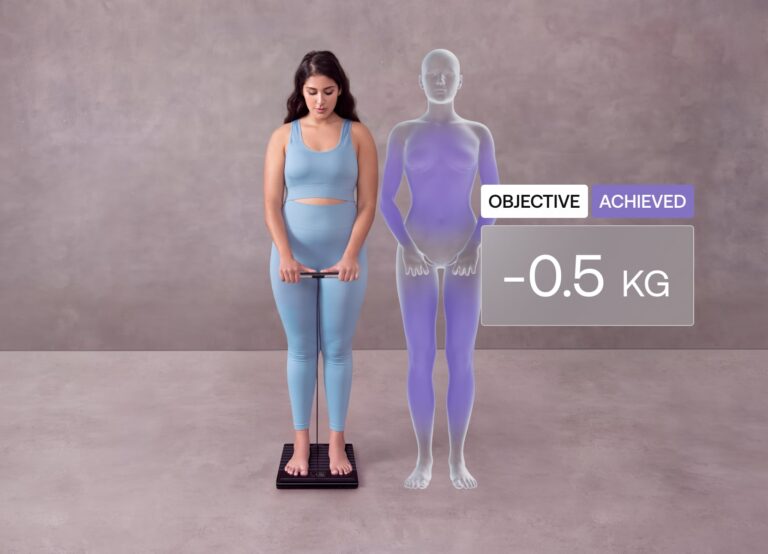
CaptureCare works in partnership with Withings, a clinically validated health monitoring platform. Withings smart devices, including scales, blood pressure monitors, and sleep trackers, capture consistent, accurate data from your daily life:
- Devices used in clinical research settings and designed for real-time measurement
- Data your nurse can review and act on without you needing to book an appointment
- Meaningful health patterns tracked across days and weeks, not just single readings
When your resting heart rate trends upward over two weeks, or your sleep quality deteriorates in a measurable way, your nurse sees it and reaches out. You are not waiting for a scheduled appointment to discover that something has been building.
Practical Steps You Can Take Now
While continuous monitoring provides a structural solution, there are evidence-informed steps that support both back pain and anxiety management in midlife:
- Track what’s actually happening: Keep a simple daily log of pain location, intensity, and any mood or sleep observations. Patterns across two to four weeks are more informative than a single bad day.
- Prioritise sleep consistency over sleep duration: Going to bed and waking at the same time each day stabilises cortisol rhythms, which affect both pain sensitivity and mood. This is particularly relevant during hormonal fluctuation.
- Movement within tolerance: Complete rest is not recommended for most non-specific back pain. Gentle, consistent movement like walking, swimming, or stretching helps maintain function and supports mood regulation. Work within your current pain threshold rather than pushing through it.
- Have the whole conversation with your GP: Bring notes. Mention both the physical and psychological symptoms in the same appointment. Ask specifically whether a care plan that addresses both is appropriate for your situation.
- Ask about your hormonal health: If you are in perimenopause or menopause and experiencing back pain and anxiety together, it is worth discussing the hormonal component with your doctor. A clinician who understands this intersection will be better placed to support you.
None of these steps require a perfect day or a dramatic overhaul. Small, consistent actions tracked over time and supported by someone who is paying attention are what move the needle on chronic, overlapping conditions.
A Different Kind of Care
For women in midlife, the healthcare system often asks you to break yourself into separate problems for separate appointments. But your body doesn’t experience itself that way. Back pain, anxiety, disrupted sleep, and hormonal change are threads in the same fabric.
Monitoring those threads continuously with a nurse who reviews your data every day and knows your health history is a different approach to care. One that works with the complexity of midlife health rather than around it. If you’d like to learn more about how they support women through this stage of life, you can join the waitlist or find out more at their website. Your health doesn’t have to be something you manage alone, between appointments, in the margins of everything else.

The Author
Amelia Dickison
On a mission to stop the stoppable and prevent the preventable when it comes to our health and happiness
🙌 Start Your Health Journey Today
Whether you’re 40, 60 or 80, stroke doesn’t discriminate — but knowledge gives you the upper hand. The Stroke Risk Test is available right now through CaptureCare, your partner in preventative health and wellness.
💡 Share your results with your GP and start your wellness plan today. Because when it comes to stroke, the best treatment is prevention.