What Is FemTech? A Guide for Australian Women
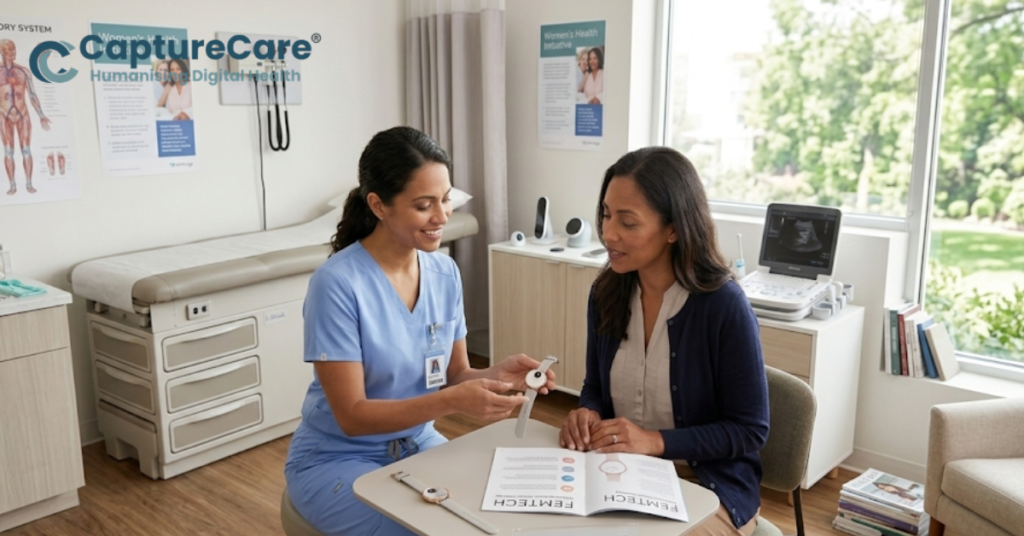
What Is FemTech? A Guide for Australian Women
You have spent years showing up to appointments, describing symptoms, and being told your results look fine. Yet something still feels off. You are tired in a way sleep does not fix. Your mood shifts in ways that are hard to explain. You are not imagining things, and you are not alone.
For a long time, women's health has been underfunded, under-researched, and under-addressed by mainstream medicine. But a growing sector is working to change that. It is called femtech, and it is one of the most significant shifts in healthcare to emerge in decades.
This guide explains what femtech actually is, why it matters for Australian women specifically, and how it is beginning to fill the gaps that traditional healthcare has left behind.
What Is FemTech?
The term femtech was coined in 2016 by Ida Tin to describe a growing category of technology built around women’s health. It refers to software, devices, diagnostics, and care platforms designed for conditions that uniquely affect women or affect them differently across life stages.
This includes areas such as fertility, menstrual health, pregnancy, menopause, pelvic health, and broader conditions like cardiovascular health, where women’s needs have often been overlooked. Femtech is not only about apps or wearables. At its best, it combines technology with clinical care to make support more personalised, proactive, and accessible.
Rather than asking women to fit into a healthcare system that has not always reflected their realities, femtech aims to build care around the way women actually live and experience health.
Why Women's Health Has Been Overlooked
To understand why femtech matters, it helps to understand the gap it is filling.
Historically, much of the foundational medical research that underpins clinical guidelines was conducted on male subjects. Women's symptoms, particularly those tied to hormonal shifts across the lifespan, were often dismissed as psychological or attributed to stress. The consequences of that research gap are still being felt today.
Midlife is where this becomes particularly stark. Perimenopause and menopause affect every woman who lives long enough to experience them. Yet according to research published in the Medical Journal of Australia, more than 85 per cent of symptomatic Australian women are not receiving effective treatment. That is not a minor gap. That is a system failing the majority of women at one of the most significant health transitions of their lives.
The symptoms that accompany perimenopause and menopause extend well beyond hot flushes. Women frequently experience mood changes, difficulty concentrating, disrupted sleep, joint pain, and changes to cardiovascular health. These symptoms are often dismissed, misattributed, or simply not connected to hormonal change during a standard GP visit. As the Australian Institute of Health and Welfare highlights, women's health outcomes vary significantly based on access to timely, appropriate care.
The space between knowing something is wrong and getting meaningful support is where many women spend years. You can read more about this in the space between appointments where women are left alone.
What FemTech Actually Covers
FemTech is a broad and growing category that goes well beyond period apps or fertility tracking. It includes digital tools, connected devices, diagnostics, and care platforms designed to support women across different life stages, from reproductive health through menopause and later-life care. What links these solutions is their focus on health needs that have too often been overlooked or poorly supported in traditional care.
Some of the key areas femtech covers include:
- Fertility and Reproductive Health: Cycle tracking, ovulation prediction, and hormone monitoring tools that help women better understand their reproductive health.
- Pregnancy and Postpartum: Wearable foetal monitors, recovery apps, and lactation support platforms designed to support women before and after birth.
- Menstrual Health: Apps, diagnostics, and symptom trackers for concerns such as endometriosis, PCOS, painful periods, and irregular cycles.
- Menopause Management: Digital therapeutics, symptom tracking tools, and telehealth platforms focused on perimenopause and menopause care.
- Remote Patient Monitoring: Continuous data collection through medical-grade devices that allow clinicians to monitor health trends over time rather than relying on one-off appointments.
- Mental Health and Wellbeing: Platforms that account for the hormonal, emotional, and life-stage factors that can shape women’s mental health.
It is also important to separate femtech from general wellness technology. The strongest solutions are grounded in clinical evidence and supported by qualified professionals, not just passive dashboards or self-tracking tools alone.
The Role of Remote Monitoring in FemTech
One of the most clinically meaningful developments in femtech is remote patient monitoring (RPM). Rather than relying on snapshot data from annual blood tests or occasional GP visits, RPM uses medical-grade devices to track health metrics continuously over time.
This matters because many of the health shifts that occur in midlife, such as changes to blood pressure, heart rate variability, weight, and sleep, are gradual and easy to miss in a single appointment. Catching trends early creates opportunities for proactive care, rather than waiting for a problem to become serious.
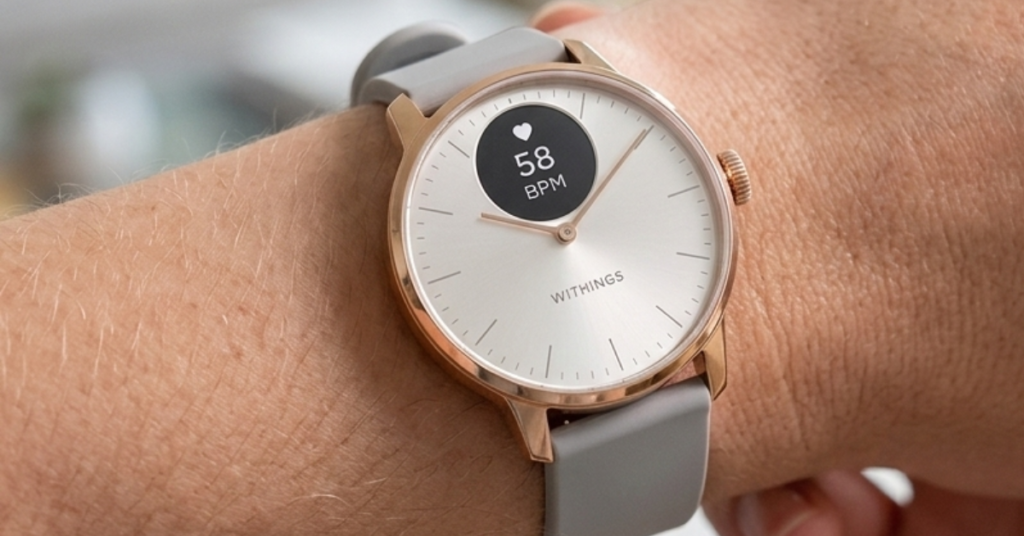
Devices such as those from Withings, a leader in connected health technology, are increasingly being used in clinical monitoring programmes to provide accurate, continuous data that clinicians can interpret meaningfully over time.
What FemTech Means for Midlife Women in Australia
For Australian women navigating their 40s and 50s, femtech offers something that has been hard to find within the traditional healthcare system: continuity of care that takes their experience seriously.
Many women in this life stage describe feeling caught between the limitations of the annual check-up and the unwillingness to seem like they are making a fuss. They are managing work, family, and health changes simultaneously, often without adequate clinical support. As explored in why midlife health needs monitoring, not guesswork, the standard model of care simply was not designed for the complexity of midlife health.
Femtech does not replace your GP or specialist. What it does is give you and your care team better information. Tracked over weeks and months, health data tells a story that a single appointment cannot. It can validate symptoms that have been dismissed, identify patterns before they become problems, and support more informed conversations with healthcare providers.
This is particularly relevant for cardiovascular health, which becomes a growing risk factor for women after menopause. It is relevant for mental health, where hormonal shifts can significantly affect mood, anxiety, and cognitive function. And it is relevant for the broad range of symptoms, from disrupted sleep to weight changes, that women are often told are simply part of ageing.
They are not simply part of ageing. They are signals worth paying attention to. The question is whether you have the right support to do so.
A Practical Note on What to Look For
Not all femtech is created equal. When evaluating any health technology, consider the following:
- Is it grounded in clinical evidence? Look for products developed in collaboration with health professionals, not just software engineers.
- Are there qualified clinicians involved in interpreting the data? Wearable data alone is not care.
- Is it designed specifically for your life stage? General wellness apps may not account for the hormonal and physiological context of midlife.
- Does it complement, rather than replace, your existing healthcare? The strongest femtech tools work alongside your GP or specialist, not in isolation.
You can explore more about what genuine health monitoring involves in What Medical-Grade Health Monitoring Actually Means.
You Deserve More Than a Snapshot
Femtech is not a trend. It is a long-overdue recalibration of healthcare toward the needs of women. For midlife Australian women, it represents a genuine opportunity to receive the continuity, attentiveness, and clinical rigour that has historically been hard to access.
The data that femtech tools generate, when interpreted by qualified clinicians, can change the conversation you have with your health team. It can transform "I have just been feeling off" into a meaningful clinical picture, and that matters enormously.
Amelia Dickison, Founder, CaptureCare:
"Women in midlife are often the most health-aware people in the room and the least well-served by the systems around them. FemTech, when it is done well, finally puts the data and the clinical attention in the right hands."
CaptureCare is an Australian nurse-led preventative remote patient monitoring service built specifically for midlife women. If you are ready to move beyond guesswork and into informed, proactive care, we would love to hear from you. Visit CaptureCare to learn more about the PRPM programme, or join the waitlist to be among the first to access personalised monitoring support.