
Smart Health Devices for Women Over 40: What to Track
You bought the smart scale because the reviews were good. Maybe a watch followed, then a sleep tracker, and now there is a quiet stream of numbers arriving on your phone every morning. The trouble is, you are not entirely sure what any of it means, or whether you should be doing something about the readings you see.
If that sounds familiar, you are in good company. Smart health devices for women over 40 have become almost standard, yet owning one and understanding one are two very different things. In a recent CaptureCare survey, more than half of midlife women said they owned a smart health device, but only about a third felt confident interpreting the data it produced. On a scale of one to five, average confidence sat at just 2.8.
This guide is here to close that gap. We will walk through the health metrics that matter most in midlife, the devices that track them, and how to turn a screen full of numbers into something genuinely useful.
What Is Actually Changing in Your Body After 40
Midlife brings a series of changes that rarely announce themselves. They build slowly, often over years, which is exactly why they are so easy to miss.
One of the biggest is body composition, the balance between muscle, fat and bone. From around our late thirties and into our forties, most of us begin to lose muscle mass at a rate of roughly three to five per cent per decade, a process that quietly accelerates after menopause as oestrogen declines. At the same time, fat can begin to settle deeper in the body, around the organs, where it carries more health risk than the fat you can see or pinch.
Here is the catch. You can lose muscle and gain this deeper visceral fat while the number on a standard bathroom scale barely moves. Your weight stays the same, so nothing looks wrong, and yet what your body is made of has shifted in a way that matters.
Cardiovascular changes follow a similar quiet pattern. Blood pressure tends to creep upward with age, and the fall in oestrogen around menopause can nudge cholesterol in the wrong direction and leave blood vessels a little less flexible. Sleep changes too. Many women in midlife notice lighter, more broken sleep, and conditions such as sleep apnoea become more common, often without the person ever realising it is happening.
Why the number on the scale tells you so little
A single weight reading flattens all of this into one figure. Two women of identical weight can carry completely different amounts of muscle, fat and visceral fat, and therefore face very different health risks. This is why muscle mass, visceral fat and trends over time tell a far richer story than weight alone ever could.
Why These Changes Slip Through the Cracks
If these shifts matter so much, why are they so often missed? Part of the answer is structural. Most of us see a GP once a year at best, and that appointment captures a single moment in time.
A blood pressure reading taken in a busy clinic, on a stressful morning, is one data point. It cannot show whether your pressure has been slowly climbing for eighteen months, or whether it tends to spike overnight. A snapshot cannot reveal a trend, and trends are usually where the earliest warning lives.
There is also the question of what counts as normal. Results that fall inside the standard reference range get reported as fine, even when something has clearly changed for you personally. Many women describe feeling unwell while being told their results look perfectly normal, which is both confusing and quietly isolating. If that resonates, you may find it worth reading why normal results don’t always mean you feel normal.
This is where personal devices should help, and increasingly they do. Continuous, at-home tracking can capture the pattern a single appointment misses. But there is a second gap that often goes unspoken: having the data is not the same as understanding it. A graph that drifts gently upward might be meaningless, or it might be the first sign worth raising with a practitioner, and on your own it can be very hard to tell which. Used in isolation, health apps and devices can leave you with more numbers but no more clarity.
What Sets Medical-Grade Devices Apart
Not all health technology is built to the same standard, and the difference is worth understanding before you trust a reading.
A consumer fitness tracker is designed for general wellness and motivation. A medical-grade device is clinically validated, which means its accuracy has been tested against recognised medical standards and its readings are reliable enough to be taken seriously by healthcare professionals. That distinction matters enormously when you are trying to spot a genuine change rather than chase a daily step count. If you want the full picture, here is what medical-grade health monitoring actually means.
CaptureCare partners with Withings, whose medical-grade range is built around the metrics that matter most in midlife. Their smart scales, including Body Scan, Body Comp and Body Smart, measure body composition rather than weight alone. Their blood pressure monitors, BPM Connect and BPM Core, bring clinical-quality checks into the home, with BPM Core also able to record an ECG and listen to heart sounds.
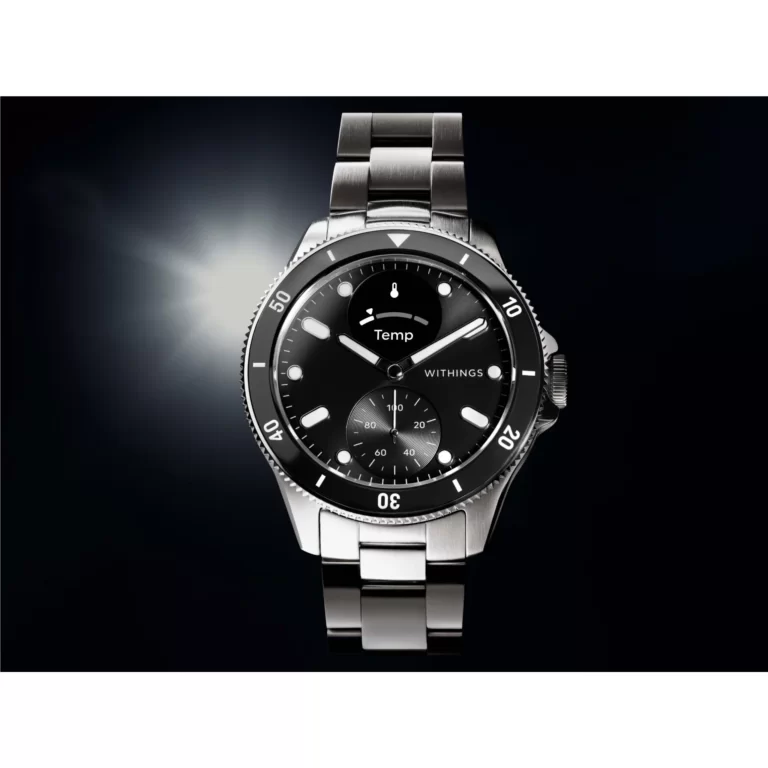
The ScanWatch 2 and ScanWatch Nova track heart rhythm and blood oxygen, the Sleep Analyser studies breathing and snoring through the night, and newer additions such as BeamO and U-Scan Nutrio extend the picture further still.
The Metrics That Matter Most: Smart Health Devices for Women Over 40
Rather than tracking everything at once, it helps to focus on four areas where midlife change tends to concentrate. These are the categories worth understanding, whatever device you happen to own.
Body composition
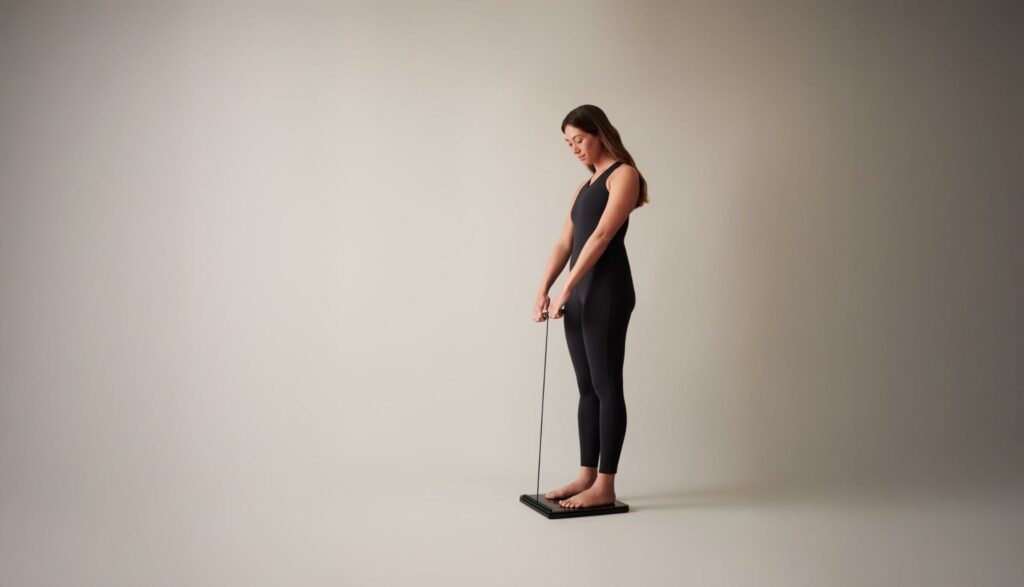
This is the muscle, fat and visceral fat balance described earlier. Watching muscle mass hold steady, or rebuild with strength work, is far more meaningful than watching the scale.
Muscle is about much more than strength. It supports balance and steadiness on your feet, helps your body manage blood sugar, and keeps your metabolism ticking along, which is part of why holding on to it through midlife pays off in ways the scale will never reveal. A slow rise in visceral fat is worth noting too, because it is linked to longer-term metabolic and heart risk even when your overall weight looks perfectly stable.

Cardiovascular health
This is where home monitoring really earns its place. Heart, stroke and vascular disease is a leading cause of death among Australian women, yet the risk to women remains widely under-recognised, with cardiovascular disease linked to roughly one in four female deaths. Risk also climbs after menopause, as falling oestrogen affects cholesterol, blood vessels and blood pressure.
Regular home blood pressure readings, an occasional ECG and tracking your resting heart rate can surface quiet changes long before they would appear in a single annual visit. It is also worth knowing that some heart risk factors are specific to women, including early or premature menopause and a history of pregnancy conditions such as pre-eclampsia or gestational diabetes. If any of those apply to you, steady monitoring becomes all the more valuable.

Sleep
Tracking hours slept is only the surface. The more useful signals are heart rate through the night, breathing patterns, snoring and possible indicators of sleep apnoea, a condition that often goes undiagnosed in women. Persistent poor-quality sleep is worth taking seriously, because it ripples through mood, blood pressure and daily energy.
Spotting a pattern of disrupted breathing or unusually low overnight oxygen is exactly the kind of thing that prompts a useful conversation with your GP, rather than another year of feeling flat and quietly putting it down to age.
Daily vitals
Temperature trends, blood oxygen and activity round out the picture. None of these means much as a one-off reading, but watched over weeks they help establish what is normal for you, which makes any genuine departure from it easier to spot.
Activity data in particular is most useful as a gentle long-term gauge of whether you are moving enough to protect your muscle, mood and heart, rather than a daily scorecard to feel guilty about.
How to Actually Use the Data
Owning a device is step one. Using it well is what turns numbers into insight. The good news is that you do not need to track everything, or check it constantly. A small number of consistent measurements, watched over time, will tell you far more than a flurry of readings taken in a panic. A few simple principles make most of the difference:
- Watch trends, not single readings: One high result on a stressful day means little. The same result appearing repeatedly over weeks means something.
- Keep conditions consistent: Measure at a similar time of day, in similar circumstances, so your readings are genuinely comparable.
- Look across categories, not in isolation: Broken sleep, a creeping resting heart rate and rising blood pressure may be unrelated, or they may be part of one connected picture.
- Note how you feel: A short record of your energy, mood and symptoms gives the numbers the context they need.
Even with all that, interpreting your own data is hard, and you should not have to do it alone. This is the part many women find most reassuring about a nurse-led approach: someone who knows your history watching the pattern over time, rather than you squinting at a graph wondering whether it matters.
CaptureCare’s monitoring service is built around exactly this. The devices gather the data, and a dedicated nurse helps you understand what it means in plain English, flags anything worth acting on, and works with your GP when needed. The device measures. The nurse interprets. You are left with clarity instead of guesswork.
A Calmer Way to Watch Your Health
None of this is about anxiously checking every reading or treating your body as a problem to be solved. It is about awareness, and catching the small shifts while they are still small and easy to address.
Amelia Dickison, founder of CaptureCare, puts it plainly. “Data without context just creates worry,” she says. “What changes things is having someone who understands your health story sitting alongside the numbers. On its own, a reading is just a figure on a screen. Seen against your history and how you actually feel, it becomes something you can act on.”
If you have a drawer of devices and a quiet sense that you should be doing more with them, you are exactly who CaptureCare was built for. We are welcoming women onto our waitlist and into our pilot programme now. Come and join us, and let’s make your numbers mean something.

The Author
Amelia Dickison
On a mission to stop the stoppable and prevent the preventable when it comes to our health and happiness
🙌 Start Your Health Journey Today
Whether you’re 40, 60 or 80, stroke doesn’t discriminate — but knowledge gives you the upper hand. The Stroke Risk Test is available right now through CaptureCare, your partner in preventative health and wellness.
💡 Share your results with your GP and start your wellness plan today. Because when it comes to stroke, the best treatment is prevention.