What Medical-Grade Health Monitoring Actually Means
For many women in midlife, navigating changes in health can feel like trying to interpret a language you barely understand. Hormones fluctuate, sleep shifts, stress feels heavier, and symptoms come and go.
Yet when you visit a GP or specialist, the conversation often focuses on snapshots—a single blood pressure reading, a quick chat about symptoms, maybe some routine blood tests. What’s missing for many women is a clear, continuous picture of how their body is functioning over time.
This is where medical‑grade health monitoring differs from the wellness trackers you might already know, and why it matters in midlife care.
The Rise of Wearable Health Tech and the Limits of Wellness Devices
In recent years, consumer wearables like smartwatches and fitness bands have become part of everyday life. They can track steps, heart rate and sleep patterns, and they’re useful reminders to move more or wind down at night.
These devices fall into the category of consumer‑grade wearables. A technology designed for general wellness, fitness and personal motivation rather than clinical decision-making. Their main purpose is to support healthy behaviours, not to diagnose or manage medical conditions.
Medical-grade devices, on the other hand, are developed under regulatory oversight and clinical validation so they can support consistent health measurement and be used safely outside a hospital setting. This includes devices such as continuous glucose monitors and remote cardiac sensors, which have established accuracy and reliability to support healthcare providers.
The difference may seem subtle, but it’s significant: where consumer wearables give broad insights into patterns, medical‑grade devices aim to collect accurate, clinically meaningful data that can be interpreted and acted upon by health professionals.
Why Traditional Care Often Leaves Gaps
Standard medical appointments often provide only isolated measurements: a blood pressure reading at a single point in time, hormone levels from one lab test, or reporting of symptoms since the last visit. These snapshots are important, but they can miss crucial trends or fluctuations that only become clear when data is collected continuously over weeks or months.
For women in midlife, this can be especially true. Hormonal changes during perimenopause and menopause can vary significantly day to day. Stress, sleep disruption and metabolic changes might exert gradual effects that are easy to miss if you only look at single measurements.
A GP or specialist visit is typically structured around episodic care. This is to address concerns you bring up in that moment rather than ongoing monitoring. This model works well for many acute issues, but it may struggle to reveal subtle shifts in health markers over time without consistent, high‑quality data.
What Medical‑Grade Monitoring Actually Looks Like
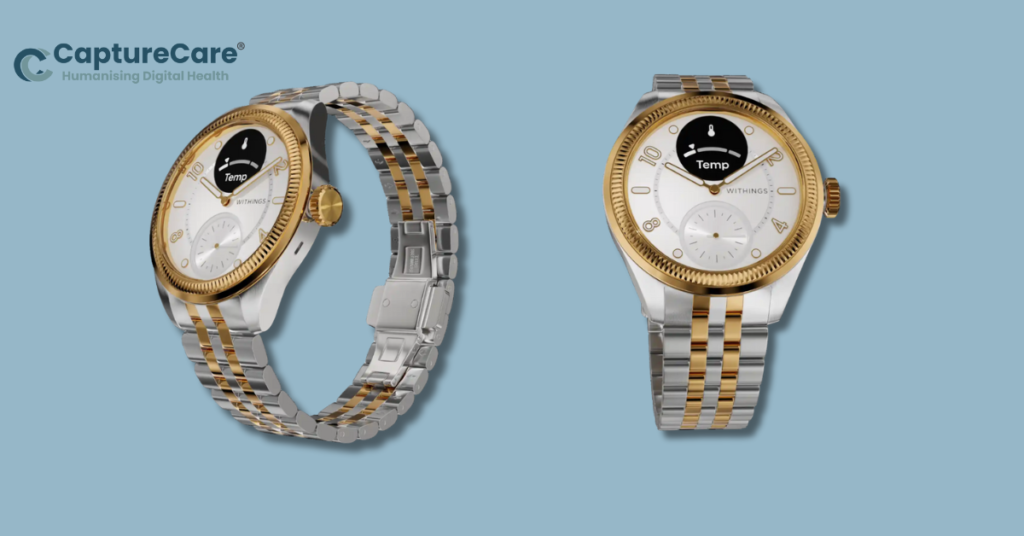
Medical-grade health monitoring involves devices that are clinically validated, designed, and tested to provide reliable data for healthcare professionals to use in clinical settings. Unlike consumer wearables, which are often limited to simple measurements, medical-grade devices can track physiological signals continuously or at regular intervals, providing a longitudinal view of your health.
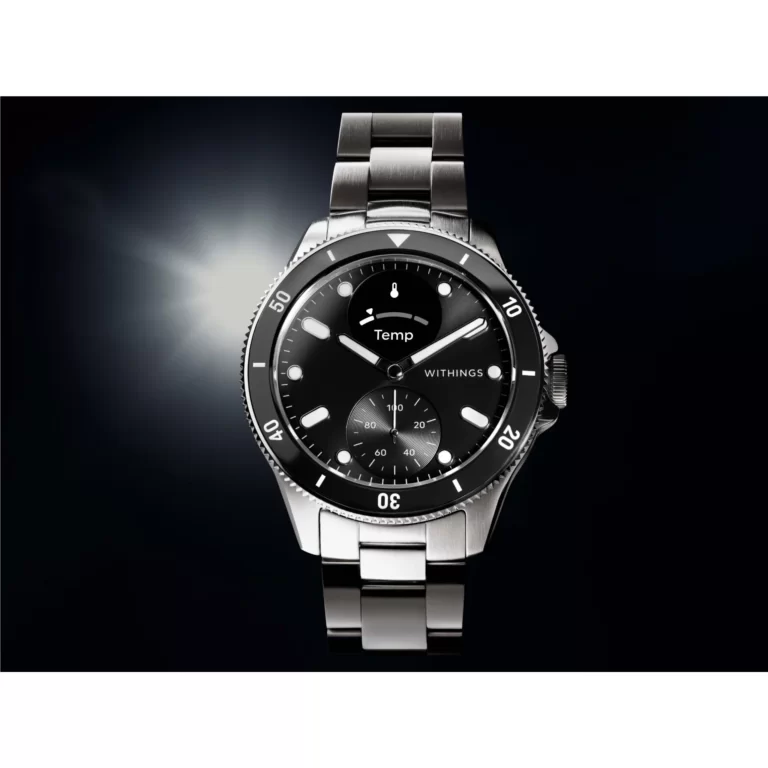
For example, Withings, a trusted partner of CaptureCare, offers medical-grade devices that track key health metrics like heart rate trends, glucose levels, body composition, and sleep. These devices allow for ongoing measurement, creating a clearer picture of your health over time. This continuous data can be analysed by trained nurses or clinicians to detect patterns or subtle changes that might be important for your health journey.
This approach is different from consumer devices, which can be affected by motion artefacts, inconsistent measurement methods, or design choices that prioritise convenience over clinical accuracy. Medical-grade devices like those from Withings are held to higher standards and provide valuable data that contributes to health assessments and management decisions.
Our Partnership with Withings
CaptureCare is proud to have a formal partnership with Withings, a global leader in medical-grade health monitoring devices.
Withings devices are:
- Clinically validated and trusted by healthcare professionals
- Designed for long-term, everyday use (not just short-term tracking)
- Accurate, reliable, and easy to use at home
- Widely used in preventative care and remote patient monitoring
Withings technology allows CaptureCare to track important health trends like weight, body composition, cardiovascular indicators, and sleep. This helps provide early insight and supports preventative care, rather than waiting for symptoms to worsen.
As CaptureCare grows, we plan to expand our partnerships with additional device manufacturers, ensuring that the women we support always have access to the best monitoring technology available.
Introducing the CaptureCare Model
One way this clinical approach is being translated to everyday life is through services like CaptureCare. CaptureCare blends medical‑grade health devices with a nurse‑led support system that helps women capture meaningful health data outside of traditional appointments.
At its core, CaptureCare isn’t just about wearing a device; it’s about connecting the data those devices collect with human interpretation and support. Rather than simply viewing numbers on a screen, members receive regular reports and alerts and can connect with nurses who understand how to interpret clinical data over time.
This model recognises that health doesn’t happen in isolated moments. It unfolds day by day, influenced by stress, sleep, hormones, activity and lifestyle. By combining ongoing data collection with professional interpretation, CaptureCare helps bridge the gap between wellness tech and clinical insight.
Why Continuous Monitoring Matters in Midlife
For women experiencing hormonal transitions, stress responses, sleep disruptions or changes in metabolic health, continuous monitoring can provide clarity where traditional care often cannot.
Continuous data helps in several ways:
Detecting patterns that snapshots miss
Symptoms that fluctuate—like night sweats, fluctuating heart rates, sleep irregularities, or blood sugar changes—might not show up during a single clinic visit. Continuous monitoring shows how these variables behave over days and weeks, offering insight into real‑world physiology.
Supporting proactive conversations with clinicians
When you have consistent health data collected over time, you and your clinician can discuss trends rather than single values. This can make discussions more focused and actionable.
Encouraging self‑awareness without guessing
Many women in midlife describe a sense of guessing whether a symptom is part of normal ageing or something that needs attention. Reliable health data reduces uncertainty by giving a measurable baseline to refer to.
Practical Advice for Using Health Monitoring Well
Whether you choose a medical‑grade approach like CaptureCare or are simply curious about what your body is doing day to day, here are some practical tips to get the most from health monitoring:
1. Know what each device is designed to measure
Different devices collect different kinds of data. A wearable that tracks heart rate variability isn’t the same as a continuous glucose monitor. Understanding the purpose and limitations of each device helps you interpret the data more meaningfully.
2. Focus on trends, not individual numbers
A slightly elevated measurement on a single day may not mean much. Look for patterns over time, consistent rises or falls, which are more relevant to health discussions.
3. Keep a health diary alongside your data
Notes about sleep quality, stress levels, medication changes or menstrual or menopausal symptoms can provide context to your biometric data. This can be especially useful when you discuss your results with a nurse or clinician.
4. Ask questions about variability
If your monitoring shows variability in a parameter (such as heart rate or glucose levels), ask what could be contributing. Lifestyle, stress and hormone cycles can all influence your readings.
5. Integrate monitoring with regular care
Continuous monitoring does not replace visits to your GP or specialist. Instead, it supplements those visits by providing additional context that can inform discussions and decisions.
Beyond the Numbers: Human Interpretation
One of the inherent challenges with any kind of health monitoring is turning data into meaningful insight. Medical‑grade devices are only part of the equation; interpretation by trained health professionals is equally important.
This is one of the aspects that sets approaches like CaptureCare apart. With nurse‑led support, the data isn’t left to sit on a dashboard. Instead, patterns are reviewed, unusual trends are highlighted, and you can receive timely guidance about what the information might mean for your health journey.
This clinical but human perspective can help reduce uncertainty, help you understand your midlife transitions more clearly, and support more informed conversations with your usual care providers.
A Softer Look at Your Health Journey
Midlife brings changes that are both physiological and emotional. It is a time when many women start to feel shifts they can’t always explain. It is normal to wonder whether symptoms are “just midlife” or something that deserves closer attention. By pairing medical‑grade monitoring devices with continuous support from qualified nurses, you can gain insights that go beyond single measurements and help you better understand your body across time.
If you’re curious about how this approach could fit into your health journey, consider learning more about CaptureCare and how it brings clinical monitoring into everyday life — or join the waitlist to explore the service when it becomes available.

The Author
Amelia Dickison
On a mission to stop the stoppable and prevent the preventable when it comes to our health and happiness
🙌 Start Your Health Journey Today
Whether you’re 40, 60 or 80, stroke doesn’t discriminate — but knowledge gives you the upper hand. The Stroke Risk Test is available right now through CaptureCare, your partner in preventative health and wellness.
💡 Share your results with your GP and start your wellness plan today. Because when it comes to stroke, the best treatment is prevention.