Stroke Risk Assessment
Take Control of Your Health—In under 2 Minutes
Stroke is one of Australia’s leading causes of death and long-term disability—and for women, risk often increases quietly during midlife. Hormonal changes, blood pressure shifts, stress, sleep disruption, and cumulative life load can all play a role, even when women feel generally “well”.
Importantly, up to 80% of strokes are preventable with early awareness and appropriate care.
Our easy-to-use Stroke Risk Assessment provides a personalised overview of common risk factors, helping women in midlife better understand their risk and take proactive, preventative steps towards long-term health.
Why Assess Your Stroke Risk?
How it works
1. Answer Simple Questions:
Share details regarding yourself, your health and lifestyle
2. View Your Risk Level:
View your results in an easy to understand format
3. Receive Recommendations:
Get guidance on steps and prevention strategies to help reduce your risk
Understanding Stroke
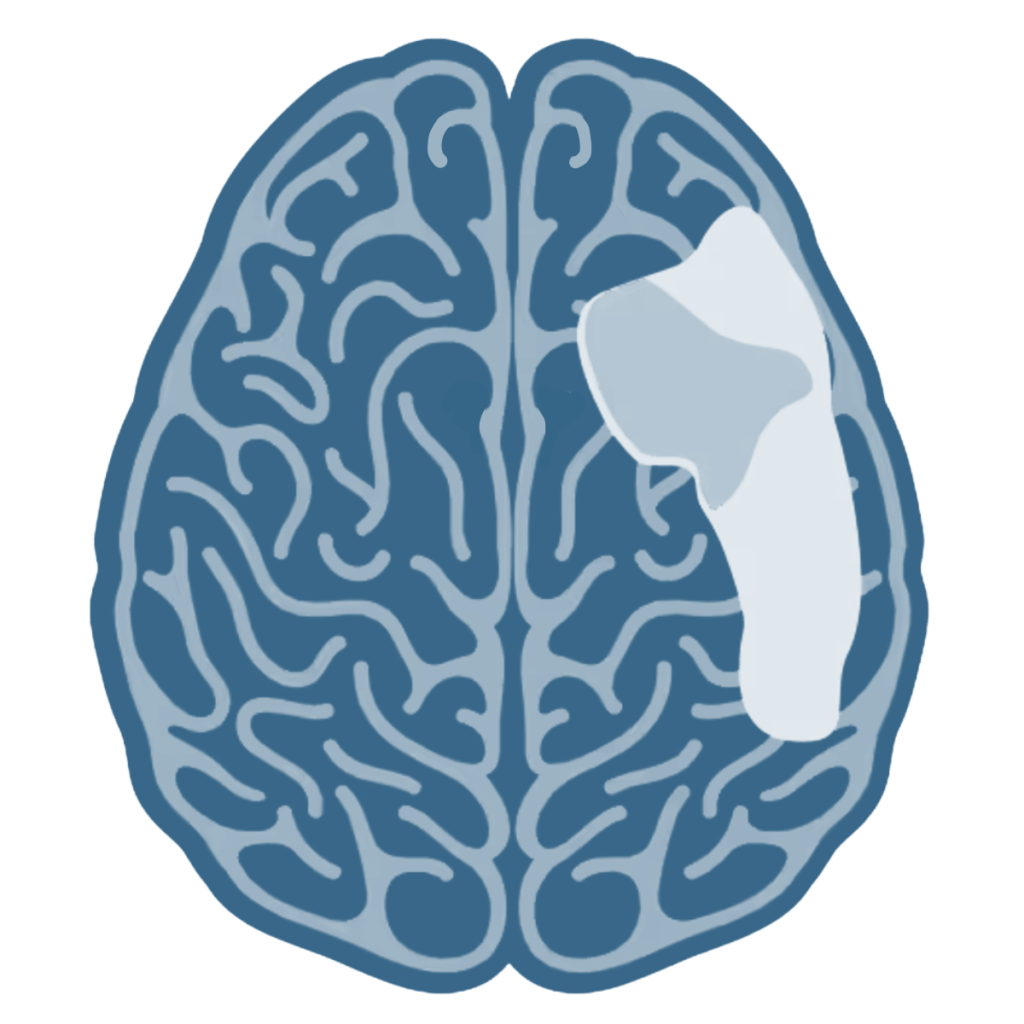
A stroke occurs when the blood supply to part of the brain is interrupted or reduced, preventing brain tissue from getting oxygen and nutrients.
This can lead to brain damage, disability, or death.
Common Risk Factors
Many stroke risk factors develop gradually and often without obvious symptoms. High blood pressure, irregular heart rhythms, elevated cholesterol, insulin resistance, chronic stress, poor sleep, hormonal changes during perimenopause and menopause, and a family history of cardiovascular disease can all increase stroke risk over time.
Because these risk factors can remain silent for years, they are frequently overlooked until a significant event occurs. Identifying and monitoring these common risk factors early allows for timely lifestyle adjustments, medical review, and preventative strategies that can significantly reduce long-term stroke risk.
Understanding your personal risk profile is the first step toward prevention.
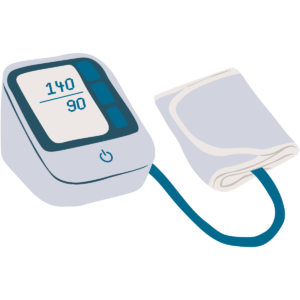
High blood pressure

Excessive alcohol
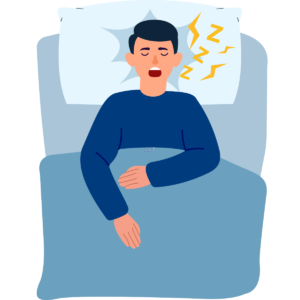
Sleep apnea
Illegal drug use
Diabetes
High cholesterol
Being overweight or obese

Lack of exercise and movement
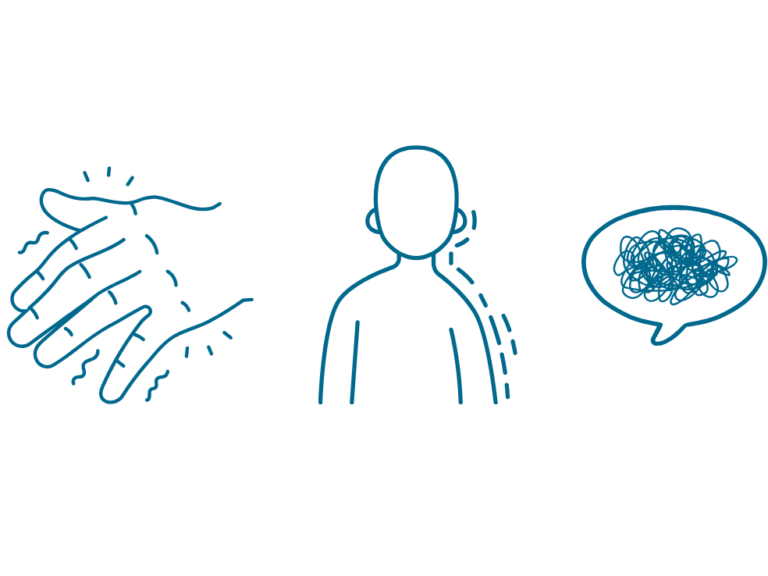
Stroke symptoms
- Sudden numbness or weakness in the face, arm, or leg, especially on one side of the body.
- Sudden confusion, trouble speaking, or understanding speech.
- Sudden trouble seeing in one or both eyes.
- Sudden trouble walking, dizziness, loss of balance, or coordination.
- Sudden severe headache with no known cause.
Preventative Measures
Taking proactive steps can significantly reduce your risk of stroke:
- Regular Health Check-Ups: Monitor blood pressure, cholesterol, and glucose levels.
- Healthy Lifestyle: Maintain a balanced diet, exercise regularly, and avoid smoking.
- Medication Adherence: Take prescribed medications as directed.
- Manage Chronic Conditions: Effectively control diabetes, hypertension, and other health issues.
- Limit Alcohol Consumption: Drink in moderation.
Integrate with CaptureCare’s PRPM Program
Our Preventative Remote Patient Monitoring (PRPM) program complements the Stroke Risk Assessment by providing:
- Continuous Monitoring: Keep track of vital health metrics.
- Personalised Support: Receive guidance from our experienced nurses.
- Early Intervention: Address potential health issues before they become serious.
Resources
– Stroke Foundation Australia: https://strokefoundation.org.au/
– Heart Foundation: https://www.heartfoundation.org.au/
– Australian Government Department of Health: https://www.health.gov.au/
Important to know
This stroke risk assessment is a screening and awareness tool only. It does not provide a medical diagnosis and is not a substitute for advice from your GP or healthcare provider. Its purpose is to help women become more aware of potential risk factors and to support informed, proactive conversations about prevention and next steps.
If your results raise concerns, or if you experience symptoms such as sudden weakness, difficulty speaking, or vision changes, seek medical attention promptly.