The Gut-Hormone Connection and Why Your Digestion Changes in Midlife
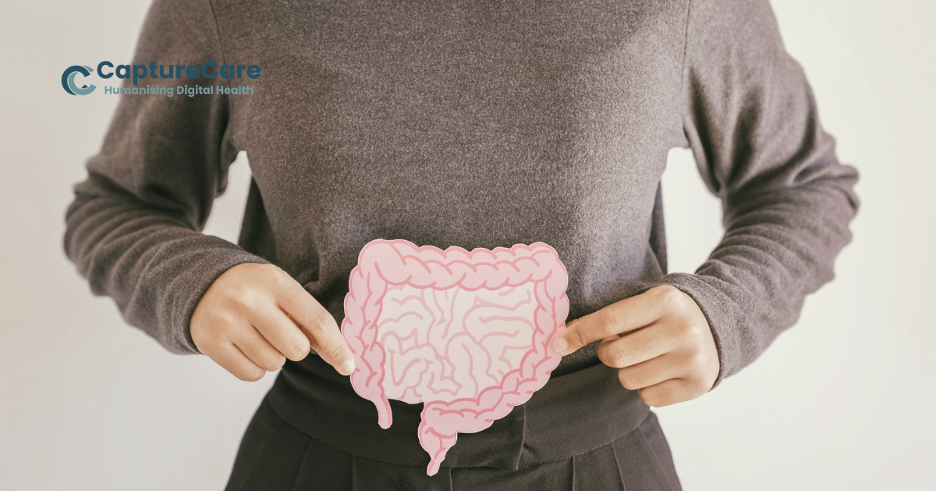
You eat the same breakfast you've eaten for years. Same oats, same coffee, same time of morning. But lately it sits differently. By mid-afternoon your waistband feels tight, your stomach is unsettled and foods you never thought twice about now seem to cause trouble.
If that sounds familiar, you're far from alone. The link between gut health and menopause is well documented, yet few women are ever told about it. Bloating, slower bowel habits, new food sensitivities and general discomfort often arrive in perimenopause, sometimes years before periods stop.
Many women assume it's stress, ageing or something they're doing wrong. It isn't imagined, and it isn't a personal failing. There's a real biological reason your digestion shifts in midlife, and it comes down to a two-way relationship between your gut bacteria and your hormones. Understanding it can take a lot of the confusion out of what you're feeling.
Your Gut Microbiome in Plain English
Your large intestine is home to trillions of bacteria, along with fungi and other microbes. Together they make up your gut microbiome, and they do far more than help digest food.
These microbes break down fibre your body can't digest on its own, help produce certain vitamins, train your immune system, regulate inflammation and send signals that reach your brain. Every woman's microbiome is unique, shaped by genetics, diet, medications, stress, sleep and stage of life.
A healthy microbiome tends to be a diverse one. Think of it like a garden. A wide mix of plants makes the whole ecosystem more resilient, while a garden dominated by a few species struggles when conditions change. Midlife is one of those times when conditions change quite a bit.
Your microbiome also changes across life. It shifts in infancy, adolescence and pregnancy, and again in midlife, responding each time to new hormonal and lifestyle conditions.
Gut Health, Menopause and the Estrobolome
Within your gut microbiome sits a specific collection of bacteria that researchers call the estrobolome. Its role is to help process and recycle oestrogen.
Once your liver has finished using oestrogen, it packages it up and sends it to the gut to be cleared. Bacteria in the estrobolome produce an enzyme called beta-glucuronidase, which can 'unpack' some of that oestrogen so it's reabsorbed into your bloodstream rather than leaving the body.
A 2017 review published in Maturitas describes this as the oestrogen-gut microbiome axis. Put simply, the bacteria in your gut help influence how much oestrogen is circulating at any given time.
The relationship between oestrogen and gut bacteria runs the other way too. Oestrogen and progesterone affect how quickly food moves through your gut, how robust the gut lining is and which types of bacteria thrive there. Your gut influences your hormones, and your hormones influence your gut. When one side shifts, the other feels it.
This matters in midlife because the estrobolome works best when the microbiome is diverse and well balanced. If the mix of bacteria shifts, the amount of oestrogen being recycled can shift too. Researchers are exploring how this may influence menopause symptoms and long-term health, although much of the science is still emerging.
Why Hormonal Change Disrupts Your Digestion
During perimenopause, oestrogen and progesterone don't decline in a smooth, predictable line. They rise and fall, sometimes sharply, before settling at lower levels after menopause. Your gut responds to every one of those swings, which is why perimenopause digestion can feel so unpredictable from one week to the next.
Progesterone, for instance, has a relaxing effect on smooth muscle, including the muscles of the bowel wall. Oestrogen plays a part in fluid balance and how sensitive the gut feels. When levels of both swing unpredictably, so can your digestion.
Common changes include:
- Slower digestion, as shifting hormone levels affect how quickly food moves through the bowel
- More bloating and wind, often worse on some days than others
- Heightened gut sensitivity, where normal digestion simply feels more uncomfortable than it used to
- New food reactions, with foods you've always tolerated suddenly causing problems
Research into menopause and the microbiome shows the bacteria themselves change as well. A large 2022 study on the menopause transition found postmenopausal women had lower gut microbial diversity than premenopausal women, with a bacterial makeup more similar to men's. The researchers also noted that some of these shifts were linked to less favourable cardiometabolic markers, the measures tied to heart and metabolic health.
Scientists are still working out the full picture, but it helps explain why digestion can feel so different in your 40s and 50s. Gut changes sit alongside a long list of perimenopause symptoms women don't expect, and they're often the last to be traced back to hormones.
Why Your Gut Matters Beyond Your Stomach
Bloating is uncomfortable, but the bigger story is what your gut does for the rest of your body. Many of the health concerns women care most about in midlife have a gut connection.
Weight and Metabolism
Gut bacteria help extract energy from food and influence how your body manages blood sugar and stores fat. Microbiome changes are one of several factors behind the weight shifts many women notice in midlife, alongside muscle loss, sleep disruption and the way hormones affect metabolism.
Studies also show the balance of certain bacterial groups differs between people of different body weights, although cause and effect are still being untangled.
Mood and the Gut-Brain Axis
Your gut and brain are in constant conversation through nerves, hormones and immune signals. Harvard Health explains that this connection works in both directions, which is why stress can upset your stomach and gut discomfort can affect how you feel emotionally.
For women already navigating perimenopausal mood changes, a troubled gut can add to the load. Much of the body's serotonin is also made in the gut, although its role there relates mainly to digestion rather than mood directly.
Inflammation and Immunity
A large share of your immune system lives in and around the gut. When the gut lining or microbiome is under strain, low-grade inflammation can creep up. Over time, persistent inflammation is linked with heart disease, joint pain and other conditions that become more common after menopause.
Scientists have also begun studying whether the gut barrier, the lining that keeps bacteria and their by-products contained, becomes more permeable during the menopause transition. Early findings suggest it may, which could help explain rising inflammation in midlife.
Bone Health
Your gut absorbs the calcium, magnesium and vitamin D your bones depend on. As oestrogen falls, bone loss speeds up, so getting the most from the nutrients you eat matters more than ever. Emerging research also suggests gut bacteria may play a role in how bone is built and broken down.
It's all connected. That bloating isn't just a stomach issue. It's one visible sign of a much wider shift happening across your body.
How to Support Your Gut Through Perimenopause and Menopause
Supporting gut health as a midlife woman doesn't require extreme diets, expensive supplements or cutting out whole food groups. The approaches with the strongest evidence are simple, realistic and sustainable.
Eat More Fibre and More Variety
Fibre feeds beneficial gut bacteria, which turn it into compounds that help protect the gut lining and calm inflammation. Australian guidelines suggest women aim for around 25 grams a day, yet many fall short.
Variety matters as much as quantity. Research from the American Gut Project found people who ate 30 or more different plant foods each week had more diverse gut bacteria than those who ate 10 or fewer. Vegetables, fruit, legumes, wholegrains, nuts, seeds, herbs and spices all count. If bloating is an issue, increase fibre gradually and drink plenty of water so your gut has time to adjust.
Add Fermented Foods
Natural yoghurt, kefir, sauerkraut, kimchi and miso contain live microbes that may help support a more diverse microbiome. Start with small serves and notice how your body responds.
A 2021 Stanford University study found that eating more fermented foods over 10 weeks increased gut microbial diversity and lowered several markers of inflammation.
Prioritise Protein
Protein helps maintain muscle, which naturally declines with age and falling oestrogen. Spreading it across your meals also supports fullness and steadier energy through the day.
Good sources include eggs, fish, lean meat, tofu, legumes and Greek yoghurt. Pairing protein with fibre-rich plants gives your gut bacteria plenty to work with.
Stay Hydrated and Keep Moving
Water helps fibre do its job and keeps things moving. Regular physical activity, even a brisk daily walk, supports healthy bowel function and has been linked with greater microbial diversity.
Manage Stress and Protect Your Sleep
Stress hormones like cortisol can speed up or slow down digestion, heighten gut sensitivity and alter the balance of gut bacteria. Broken sleep, so common in perimenopause, adds to the strain. Small, consistent habits help, whether that's a walk after dinner, a regular bedtime or ten quiet minutes before the day begins.
It also helps to notice patterns. A simple symptom log kept for a few weeks can show whether bloating tracks with your cycle, stress levels, sleep or particular meals. That information is useful to bring to your GP too.
Know When to See Your GP
Not every gut change in midlife is hormonal. Irritable bowel syndrome (IBS), coeliac disease, food intolerances, thyroid conditions and, less commonly, bowel or ovarian cancer can all cause similar symptoms. Menopause bloating is common, but persistent bloating should never be dismissed as 'just menopause'.
See your GP promptly if you notice:
- Bloating, pain or changes in bowel habits that last more than a few weeks.
- Blood in your stool or black, tarry stools.
- Unexplained weight loss or loss of appetite.
- Ongoing reflux, nausea or difficulty swallowing.
It's also worth knowing that Australians aged 45 to 74 can access free bowel cancer screening through the National Bowel Cancer Screening Program.
Your Gut Is One More Signal Worth Listening To
Understanding the link between gut health and menopause is one piece of a much bigger picture. Midlife is a whole-body transition, and gut symptoms rarely happen in isolation. They often appear alongside changes in sleep, weight, mood, energy and blood pressure. Each one tells part of the story. Gut symptoms are worth paying attention to, not because they're alarming, but because they're useful.
The challenge is seeing how those pieces fit together. A single appointment captures one moment. Patterns tracked over weeks and months reveal far more, including how your gut, hormones and wellbeing move together.
"Women often tell us it feels like their body has changed the rules overnight, and digestion is a big part of that," says Amelia Dickison, founder of CaptureCare. "When you start to see how your gut, hormones, sleep and mood connect, symptoms that felt random begin to make sense. That's when you can actually do something about them."
If you'd like help making sense of those connections, our nurse-led preventative health monitoring programme brings the whole picture together. Through our partnership with Withings, your weight, sleep, blood pressure and other health metrics are tracked over time, while a dedicated nurse turns the data into plain-English summaries you can take to your GP.
Join the waitlist to be among the first to access the programme. Your gut is already sending signals about what's changing. With the right support, you can start to understand them.